
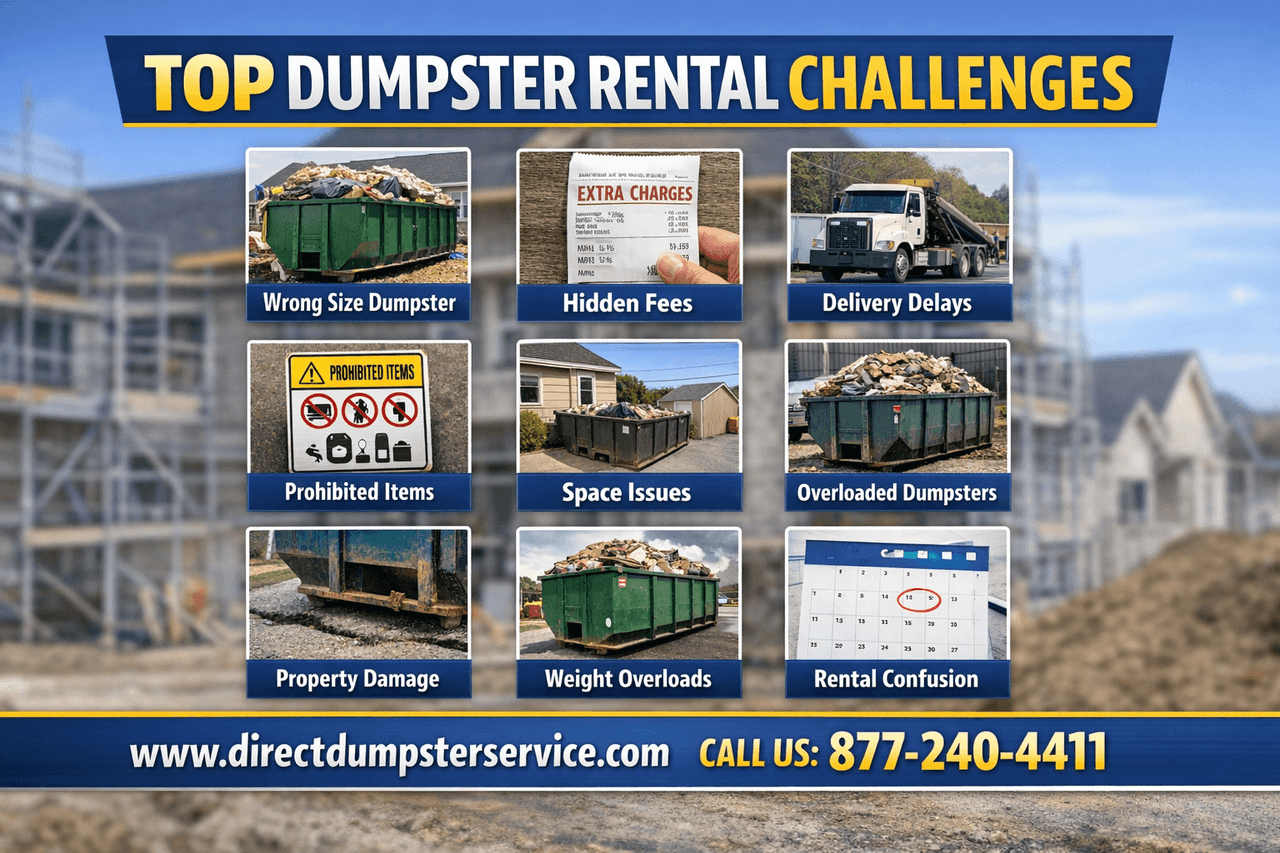
In today’s fast-paced construction, renovation, and cleanup projects, dumpster rentals have become an essential service. However, customers across residential and commercial sectors often encounter avoidable challenges that can disrupt timelines, increase costs, and create unnecessary stress. Understanding these common issues is the first step toward a smoother and more reliable rental experience.
One of the most frequent concerns is choosing the right dumpster size. Customers often underestimate the amount of debris their project will generate. A dumpster that is too small can quickly overflow, leading to additional hauls and unexpected costs. On the other hand, selecting a unit that is too large may result in paying for unused capacity. Proper guidance at the beginning can make a significant difference.
Another major concern is the presence of hidden fees and unclear pricing structures. Customers are often surprised by additional charges such as overweight fees, extended rental periods, or extra pickup costs. This lack of transparency can lead to frustration and erode trust. Clear, upfront pricing remains one of the most valued aspects of a dependable service provider.
Timeliness is equally critical. Delivery and pickup delays can impact project schedules, especially for contractors working within strict deadlines. A delayed dumpster can stall progress, while a missed pickup can leave sites cluttered and unsafe. Reliable scheduling and coordination are essential to maintaining workflow efficiency.
Customers also face challenges with restricted disposal items. Many are unaware that materials like paint, chemicals, batteries, and electronics are not permitted in standard dumpsters. Improper disposal can lead to penalties or refusal of service. Educating customers on acceptable waste is key to avoiding complications.
Space and logistics often present another hurdle. Placement issues and limited access areas can make it difficult to position dumpsters safely and conveniently. In some cases, permits may be required for street placement, adding another layer of complexity. Proper planning helps prevent last-minute disruptions.
Weight limits are another overlooked factor. Even when a dumpster appears only partially full, heavy materials such as concrete or roofing debris can exceed allowable limits, resulting in additional charges. Understanding both volume and weight is crucial for accurate planning.
Communication remains at the heart of customer satisfaction. Poor coordination, missed calls, or lack of updates can quickly turn a simple rental into a frustrating experience. Customers value responsiveness, clarity, and consistent follow-up throughout the process.
Environmental and external factors also play a role. Weather conditions, especially rain, can increase the weight of debris inside the dumpster, leading to higher disposal costs. Additionally, heavy dumpsters can sometimes cause damage to driveways or property, which customers may not anticipate.
Lastly, confusion around rental periods often leads to avoidable charges. Clear timelines and expectations help customers plan effectively and avoid unnecessary extensions.
Call us 877-240-4411
As demand for dumpster rentals continues to grow nationwide, service providers are focusing on improving transparency, communication, and reliability. By addressing these common challenges proactively, the industry is moving toward delivering a more seamless and customer-friendly experience for every project.